


Black Deck - Card Battle CCG
4.34.40K Reviews
App Specs
- Version
- 1.36.0
- Updated On
- License
- Free
- Downloads
- 5,000,000+
- Developer
- SayGames Ltd
- Categories
- Card
- Platform
- Android, iOS
Screenshots

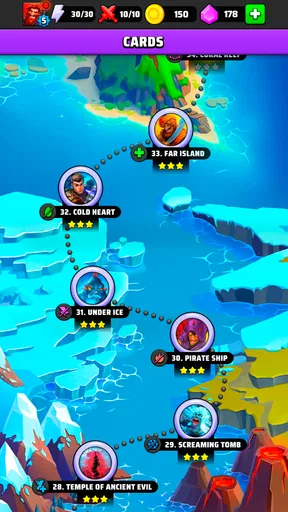
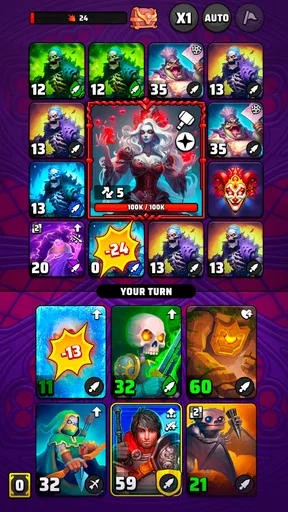
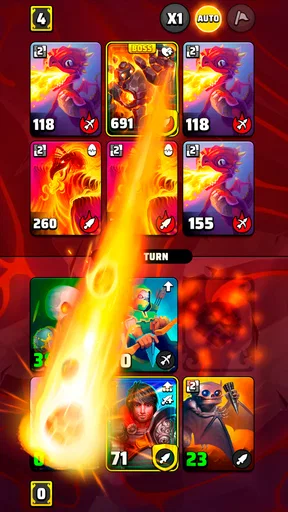
 Analysis by AppCompare
I approach a collectible card game by asking a simple question: does it give me a reason to make one more choice, or does it merely ask me to keep tapping? Black Deck - Card Battle CCG is built around collecting hero cards, shaping a deck, and testing it in battles. That loop gives it an appealing starting point, though its long-term pull depends on how much you enjoy gradually improving a collection and adjusting your tactics.
What gives the first sessions direction
Early goals matter in a card game because a large collection can feel meaningless until you know what to do with it. Here, the basic rhythm is easy to understand: acquire cards, put together a deck, and take that deck into a fight. I like that this gives a new player a practical question to answer—what can I build with the cards I have now?—rather than requiring a deep theory of card strategy before play feels purposeful.
That simple starting point is also a useful way to judge whether the game suits you. If you enjoy trying a developing collection and learning through matches, the early loop has a clear appeal. If you want a tightly curated puzzle in which every card is available from the outset, a traditional board or card game may be a better fit. Collection growth is part of the attraction here, but it also means your choices are shaped by what you have acquired.
Reading progress without chasing every reward
In a collectible card game, progress is not only a bigger pile of cards. I get more satisfaction when a new option changes how I think about a deck, or when a loss makes me notice a weak spot I can address. That is a more useful measure than treating every reward as equally valuable. When you earn something, consider whether it supports a plan you already like or suggests a genuinely different way to approach a battle.
A practical habit is to change one part of a deck at a time after a disappointing match. If you make several changes at once, it is harder to tell what helped; if you adjust a single choice and try again, the result is easier to learn from. This is not a shortcut to winning, but it makes the collection feel like a set of decisions rather than a shopping list. It also helps keep progress satisfying when a reward does not immediately become a favorite card.
How the challenge can feel over time
Turn-based card battles leave room to think, but they still ask you to respond to an opponent instead of following a fixed script. I enjoy that tension: planning a move is only half the job, because the other side can make your next choice less obvious. Deck-building adds another layer, since a strategy that sounds strong in theory has to work with the cards you can actually assemble.
There is a trade-off, though. Players who like learning a game through repeated experimentation will likely find that loop rewarding; players who dislike losing while they refine a collection may see it as friction. I would treat setbacks as a cue to review the deck and the decisions behind it, not as a reason to replace everything at once. If you prefer games that offer a predictable challenge with no collection-building element, a standalone strategy game will probably feel more direct.
Worth Reading Before You Choose

Flipboard Shows What News Apps Must Do Beyond the Feed

Switching to Android Auto Means Rethinking Your Driving Routine

Google Calendar Makes a Crowded Week Easier to Manage

Ludo King Makes the Most of the Minutes Between Plans

Baby Panda World Brings Quick Play to Modern Phones, but Its Game Library Feels Busy

ESPN’s Live Game View Makes Following Close Games Easier
Keeping the game in its place
Free-to-play card games can make progression feel urgent, so I prefer to decide what I want from a session before opening one. A quick match or a deliberate deck check is a more comfortable goal than trying to collect every available option. That boundary matters here because in-app purchases are available, and the listed range runs from $0.49 to $139.99 per item. I would treat spending as optional entertainment, not a requirement for deciding whether the game is enjoyable.
For an everyday example, imagine having a short break and wanting something more thoughtful than a reflex-based game. You could use the time to test a deck idea, then stop after the match rather than turning the break into a hunt for every reward. The card-game format suits that kind of focused play, but anyone who wants guaranteed short sessions should be prepared to set their own stopping point. If collection goals tend to make you spend more time or money than intended, a fixed-content card game is a safer alternative.
First Impressions
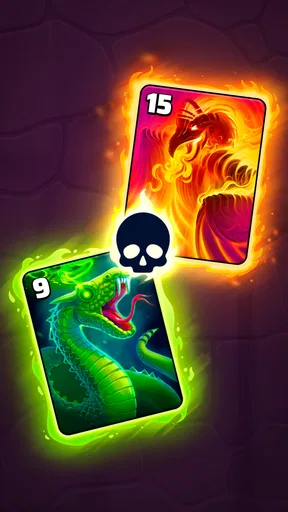
When I first launched Black Deck - Card Battle CCG, I was immediately drawn in by its stunning visuals. The artwork is rich and detailed, bringing each card to life in a way that makes you feel like you're holding a little piece of art in your hand. The interface is sleek and intuitive, making it easy for newcomers to jump right in without feeling overwhelmed. Whether you’re a newbie or a seasoned card gamer, the game welcomes you with open arms.
Gameplay Mechanics
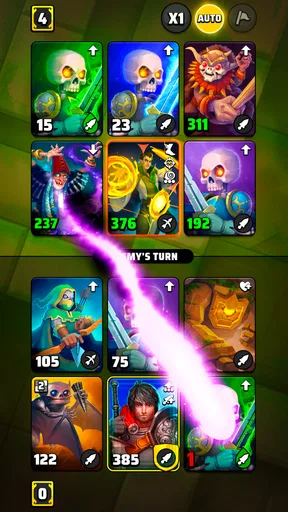
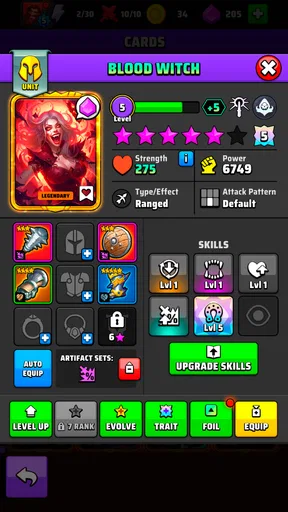
The core of the game revolves around collecting cards, building decks, and battling it out with opponents. Each card represents a character or a spell with its own unique abilities and stats. The gameplay is turn-based, so you’ll need to think a couple of steps ahead to outsmart your opponent. This isn’t just about having the strongest cards—it’s about strategy and timing.
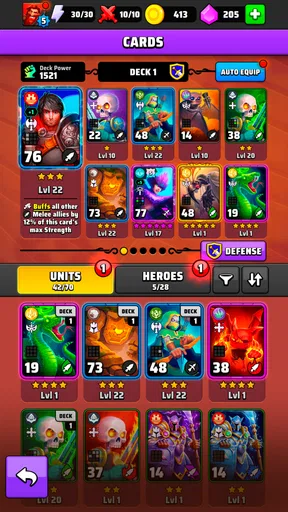
One of the features I found particularly engaging is the deck-building aspect. You have the creative freedom to build a deck that suits your playstyle, whether you prefer an aggressive approach or a more defensive strategy. It’s a game that rewards both skill and creativity, which is a rare find in mobile gaming.
Challenges and Rewards
The game offers a variety of modes, including PvP battles, daily challenges, and story quests. The PvP mode is where the real test of your skills comes into play. Battling against other players adds a layer of unpredictability and excitement that I really enjoy. The daily challenges and quests are great for earning rewards and keeping the gameplay fresh.
Rewards come in the form of new cards, in-game currency, and other goodies that help you improve your deck. The game strikes a nice balance between rewarding players and encouraging them to keep coming back for more.
Progression, pressure, and fit
What I would watch over time is whether the changing collection continues to create interesting choices. The game’s strongest progression signal is not simply receiving another card; it is finding a useful reason to reconsider a deck. A card that supports a different approach can make experimentation worthwhile, while a reward that does not fit your current plan may feel less immediately satisfying. I would avoid judging progress by quantity alone.
The daily challenges and story quests give returning players reasons to check in, while PvP offers a less predictable test. Those are different kinds of motivation: a quest can provide a defined task, whereas another player can force you to react to an unfamiliar approach. I would choose between them based on my mood rather than treating every mode as a chore to clear. If the daily loop starts to feel like an obligation, skipping a session is better than letting a game turn leisure into a checklist.
One small but useful deck-building discipline is to keep track mentally of what a deck is meant to do before changing it. If you cannot describe its purpose in a sentence, a new card may not solve the real problem. After a loss, I would first ask whether the plan was sound and whether I made a poor choice, then consider changing a card. That distinction helps separate a strategic mistake from a collection limitation—and prevents spending from becoming the automatic answer to frustration.
How it compares with other card games
Compared with a conventional digital card game centered on a stable, familiar ruleset, this one puts more emphasis on building around a collection that develops as you play. That can make each new option feel personal, but it also makes the experience less like a perfectly even match where everyone starts with the same complete toolkit. Against a simple solitaire-style card game, it asks for more planning and deck decisions; against a complex tabletop adaptation, its approachable interface may be easier to pick up in a spare moment.
I would recommend it most to players who enjoy both tactical turns and the gradual process of shaping a collection. It is less suitable for someone who wants every match to be a self-contained, balanced contest with no progression pressure, or for a player who dislikes the possibility that available cards influence deck choices. If you mainly want a quick, low-stakes way to pass time, a basic puzzle or solitaire game may be a better match. If the pleasure is in testing a plan and revising it, Black Deck has a clearer reason to stick around.
Monetization
Like most free-to-play games, Black Deck - Card Battle CCG includes in-app purchases. You can buy card packs, currency, and other upgrades. While the game is generous with its rewards, there’s always that temptation to spend a little cash to get ahead. However, I found that you can still enjoy the game and progress without having to spend a dime, which is always a plus in my book.
It is free to play, made by SayGames Ltd, and carries an Everyone 10+ age rating. Its average rating is 4.3 from around 123,000 ratings, with over five million installs. The current version is 1.35.12, and it requires Android 8.0 or later. Those details make it easy to place the game, but they do not decide whether its particular mix of battles and collection-building will suit you; I would use the first sessions to decide that before considering any purchase.
Community and Social Features
The game’s community is active and welcoming. There are forums and groups where players share strategies, tips, and even memes about the game. It’s a great way to connect with fellow players and learn new strategies. Plus, the social features within the game make it easy to challenge friends and show off your deck-building prowess.
Who will get the most from its progression
I think the best fit is someone who likes having a small goal in mind—improve a deck, try a different approach, or see how a strategy holds up against another player—without needing every session to deliver a major breakthrough. The appeal is cumulative: cards give you material to work with, deck choices turn that material into a plan, and battles reveal where the plan holds or falls apart. That cycle is more compelling to me than collecting for its own sake.
For a new player, I would keep expectations modest at first. Learn what the cards you already have can do before worrying about an ideal deck, and treat early losses as information rather than proof that you need to buy something. For a returning player, a good way to avoid stale play is to test one focused change instead of rebuilding everything whenever a match goes badly. These habits make progression more deliberate and reduce the feeling that you must chase every available reward.
Someone who prefers a complete game with a fixed set of pieces, or who finds competitive losses stressful, should probably choose a different kind of card game. Black Deck is also not my first pick for a player who wants a purely casual distraction with no incentive to think about a collection between battles. Its appeal comes from that ongoing relationship between cards and tactics, and that same relationship is the main reason it will not suit everybody.
Final Thoughts
All in all, Black Deck - Card Battle CCG is a fantastic addition to the card game genre. It’s visually stunning, strategically challenging, and incredibly rewarding. Whether you’re in it for the competitive battles or just want to collect cool cards, there’s something for everyone. It’s one of those games that’s easy to pick up but hard to put down.
If you haven’t tried it yet, I highly recommend giving it a go. Whether you’re a casual player or a card game enthusiast, this game is bound to captivate you. So, what are you waiting for? Dive into the world of Black Deck - Card Battle CCG and start building your legendary deck today!
Pros
- Engaging strategic gameplay keeps players intrigued.
- Diverse card collection offers varied strategies.
- Visually appealing graphics enhance the experience.
- Frequent updates add new content and features.
- Smooth performance with minimal lags or crashes.
Cons
- In-app purchases can become quite costly.
- Requires consistent internet connection.
- Progression can be slow without purchases.
- Some cards feel unbalanced in certain matches.
- Limited offline features for solo play.
FAQs for Black Deck - Card Battle CCG
What is Black Deck - Card Battle CCG about?
Black Deck - Card Battle CCG is a strategic card game where players collect and upgrade cards to build powerful decks. The game combines elements of strategy and role-playing, allowing players to engage in tactical battles against both AI opponents and other players. With over 200 unique cards, players can create diverse strategies tailored to different opponents.
Is Black Deck free to play?
Yes, Black Deck - Card Battle CCG is free to download and play. However, it offers in-app purchases that allow players to acquire new cards or upgrade existing ones faster. While these purchases can enhance gameplay, they are not necessary to progress in the game, making it accessible to all players.
What platforms is Black Deck available on?
Black Deck - Card Battle CCG is available on both Android and iOS platforms. This makes it easily accessible to a wide range of smartphone users. Interested players can download the game from the Google Play Store for Android devices or the Apple App Store for iOS devices.
What are some of the key features of Black Deck?
Black Deck features over 200 unique cards, each with distinct abilities and attributes. Players can enjoy thrilling PvP battles, participate in daily quests, and explore various game modes, including campaigns and special events. The game also offers a deep strategic element, as players must carefully choose and upgrade their cards to succeed.
Are there any community features in Black Deck?
Yes, Black Deck - Card Battle CCG includes community features such as guilds and leaderboards. Players can join guilds to collaborate with others, share strategies, and participate in guild-specific events. The leaderboards allow players to compete for rankings, adding a competitive edge to the gameplay experience.


